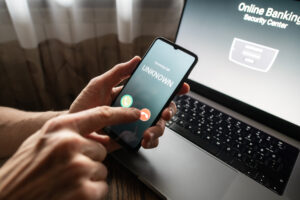
In today’s hyper-connected world, cybercriminals are no longer relying solely on sophisticated technology to breach an individual’s security. Instead, they are increasingly targeting human behaviour, recognising that manipulating people can often be easier and more effective than overcoming technical security controls.
This tactic, known as social engineering, involves the use of manipulation, deception and psychological influence to trick individuals into revealing sensitive information, bypassing security controls or taking actions that ultimately result in them being defrauded.
Unlike traditional cyberattacks that exploit software vulnerabilities, social engineering attacks exploit emotions such as trust, fear, curiosity, urgency and authority, making them difficult to detect and often highly effective.
What Is Social Engineering?
Social engineering is the art of manipulating individuals into disclosing confidential information or performing actions that benefit an attacker.
Rather than hacking systems, criminals “hack” people. They may pose as trusted colleagues, banks, service providers, executives, or even family members to gain access to valuable information.
The objective is often to obtain:
- Personal information
- Banking and payment details
- Usernames and passwords
- One-Time Passwords (OTPs) and PINs
- System access credentials
A single successful social engineering attack can result in financial loss, identity theft, compromised personal information and significant emotional stress for the victim.

Common Types of Social Engineering Attacks
Phishing
Fraudulent emails or messages designed to appear legitimate, encouraging victims to click malicious links, download malware or disclose sensitive information.
Vishing
Voice phishing conducted via telephone calls. Attackers often impersonate banks, service providers, government agencies or IT support teams to gain trust.
Smishing
Phishing attacks delivered through SMS messages, typically containing urgent notifications, fake delivery alerts or requests for immediate action.
Business Email Compromise (BEC)
Attackers impersonate executives, suppliers, or business partners to deceive employees and customers into making fraudulent payments or sharing confidential information.
Pretexting
Criminals create believable scenarios and false identities to establish trust before requesting information or access.
Emerging Social Engineering Trends
As technology evolves, fraudsters and cybercriminals continually enhance their methods, making scams increasingly sophisticated and difficult to detect.
AI-Powered Deepfakes
Artificial intelligence can now generate realistic voice recordings and videos that impersonate colleagues, family, friends or other trusted individuals, making scams more convincing than ever before. Check out this podcast where Dr Natalie Raphil unpacks AI Fraud.
QR Code Phishing (Quishing)
Cybercriminals use malicious QR codes to direct victims to fraudulent websites designed to steal login credentials, banking details, or personal information. These QR codes may be placed over legitimate QR codes or may appear in emails, posters, invoices, menus, surveys etc.
Multi-Channel Attacks
Attackers combine email, SMS, WhatsApp, Teams, phone calls, and social media interactions to build credibility and increase the likelihood of success.
“ClickFix” Scams
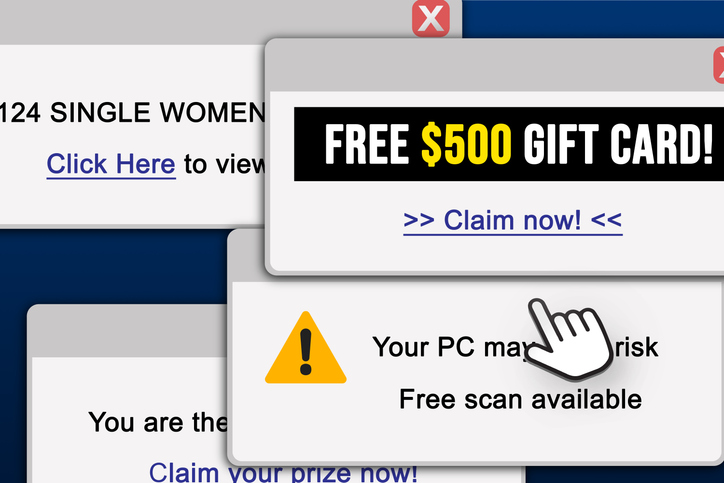
Victims encounter fake error messages or browser alerts instructing them to run commands or install software, ultimately granting attackers access to their devices.
Gamified Scams
Interactive fake competitions, rewards programs, surveys, and online challenges designed to collect personal, financial, or payment information.
Warning Signs: Spotting a Potential Attack
Be cautious when you notice any of the following:
- Requests for passwords, PINs, OTPs, or confidential information
- Pressure to act immediately or keep information secret
- Messages from unknown senders or unusual communication channels
- Unexpected requests involving prizes, payments, account changes or access
- Suspicious links, attachments, or QR codes
- Poor grammar, unusual wording, or communication that feels “off”
How to Protect Yourself
Simple habits can significantly reduce your risk:
- Verify requests for sensitive information through trusted channels
- Think before you click on links, open attachments, or scan QR codes
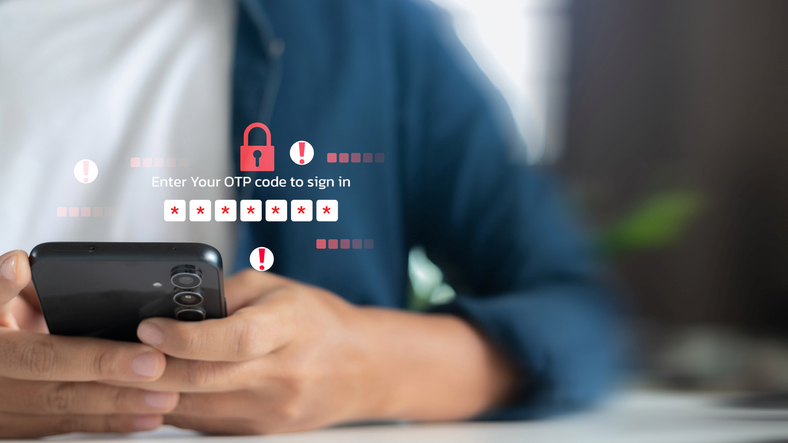
- Never share passwords, PINs, or One-Time Passwords
- Be cautious of messages creating panic, urgency, or excitement
- Use two-factor or multi-factor authentication whenever available
- Report suspicious communications immediately
- Confirm payment instructions or account changes independently before acting
In Conclusion
Technology plays a critical role in cybersecurity, but awareness remains our strongest defence.
Every individual has a role to play in protecting their own information and preventing fraud. By staying alert, questioning unusual requests and verifying information before acting, we can significantly reduce the effectiveness of social engineering attacks.
Remember: if something feels wrong, it probably is. A few extra seconds of caution can prevent significant financial and reputational damage.
Stop. Think. Verify.
Browse our latest stories to experience tech made easy.