
Tips for a more seamless and welcoming return to the workplace.
Many people are not happy about returning to the office. In some cases, more than half of workforces reject the idea of going back to their workplaces. Brazen and unsympathetic managers write this off as entitlement or laziness, but by doing so they are blind to a much more nuanced picture.
How employees feel about RTO
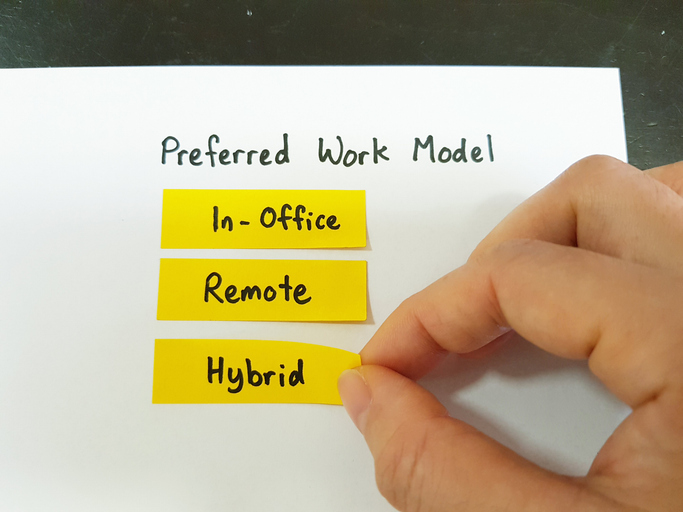
When studies dive more into the details, the issue isn’t that people prefer to work remotely. Instead, it’s about a new value proposition: what is the point of going back to the office? What will they gain, especially considering the benefits of working from home?
Working at home has drawbacks as well, and there are excellent reasons to work from an office. Yet, when companies cannot appreciate this and instead lay down return to office (RTO) mandates without forethought, they encounter the most resistance.
Instead, they should realise that the tension between working from home or at the office reflects how things have changed for professionals.
“It’s an inflection point. It’s an opportunity for change moving forward,” said Hannah Ubl, co-founder of Good Company Consulting, in a RTO-focused webinar. “If you are a leader or if you are at an organisational level, you have more of a responsibility, especially in this conversation about returning to office.”
How can you provide a more seamless and welcoming return to the workplace? Here are several points to consider.
Understand and explain why RTO is happening
When asking some people why they want employees to return, they respond, “Why not?” But this is not an answer. Worse, it’s based on an assumption that things will return to “normal”. But normal has changed. Employees are more used to flexibility. They have experienced the benefits of working remotely, such as greater focus and more productivity. They’ll agree there are big benefits to being at the office, but those must make sense. After all, why fight through morning traffic only to have Zoom and Teams calls at work?
It’s important to understand why you want people back at the workplace and to communicate those reasons. It’s also important to ask people why they’d want to return to the workplace. If you can align their priorities with your strategy, they will be much more willing.
Allow people to phase back in
There are many good reasons why remote working is good, such as greater time flexibility and less time spent in traffic. Employees have been enjoying those benefits, so suddenly forcing them to abandon it all is going to make them resentful, even to think about quitting.
It’s much better to take a phased approach, such as a few days at the office during the week and other days working remotely. Even if the goal is a complete return to the office, this should still allow people to ease back in.
Create spaces and opportunities to connect
What do people miss the most about offices? Connecting with others. They can access applications and documents from anywhere. They can jump on a meeting call to discuss something. They can enjoy their expensive coffee in the serenity of their kitchens. But what they cannot do is meaningfully connect with others, chat casually, casually share their thoughts, and spontaneously collaborate.
The ability to connect is the strongest reason to have an office. It’s the foundation of shared culture—esprit de corps—and key to how people really feel appreciated and like they belong. As mentioned earlier, everyone sitting in Zoom meetings at the office will not accomplish this. But offering collaborative spaces, days focused on meetings and gatherings, and even supporting group lunches are all ways that will bring out RTO’s value.

Have clear work guidelines
People have jobs to do, and the last thing they need is uncertainty. Yet an astounding two-thirds of companies don’t have hybrid-work guidelines. Chances are, your employees will spend some time at the office and some time at home (and if they spend all the time at the office, make sure those are for good reasons or output will plunge as demoralisation spreads). But if there are no clear guidelines for different working modes, that leads to uncertainty.
Have guidelines defining those conditions, such as when people should be at the office and who they should talk to. Managers also need such guidelines. Leaving it to each manager to decide their own workplace attendance policies will fracture your company culture. These guidelines can include why people should be at the office.
Take care of managers’ mental wellbeing
There are two ways to approach RTO. One is to demand it with little care about how it affects people. This can work, but don’t be surprised if the best or most financially-independent employees decide to leave (especially if your competitors are more empathic). The other way is to approach RTO with compassion and a clear strategy, with benchmarks to track and measure and good employee feedback mechanisms such as surveys and group discussions.
RTO requires more mental and emotional strength from leaders and managers. Smart managers know that is part of the job, so they also take care of themselves and their mental wellbeing. Make sure they are able to do that.