SIM swap fraud is real and most people never see it coming. Learn how it works, the risks it poses and the essential steps you should take to safeguard yourself.
A sudden loss of mobile service may seem like a technical issue, but it can be an early warning sign of SIM swap fraud, where fraudsters gain control of your number and intercept calls and SMS messages intended for you.
A fraudulent SIM swap occurs when a fraudster impersonates the legitimate owner of a mobile number and fraudulently requests a replacement SIM card from the mobile network operator. Once the SIM swap is completed, calls and SMS messages intended for the victim, including banking verification codes and one-time PINs (OTPs), can be redirected to the fraudster, enabling unauthorised access to sensitive information and the victim’s accounts.
So, what information should you protect to reduce your risk of SIM swap fraud?
Which personal details should you protect?
Start by safeguarding the information that could be used to impersonate you. This includes the following:
- Identity number
- Mobile number
- Account number
- Banking details
- Passwords, OTPs (One-Time-PINs) and verification codes
- Mobile app login details
- Email account usernames and passwords
- Personal information that is asked in security questions
Information shared publicly on social media such as your date of birth, address, schools attended, employment or family details can also provide fraudsters with valuable information to support impersonation and social engineering attempts.
Always exercise caution when sharing your personal information and understand why it is being requested. If you receive an unexpected request for sensitive information, take a moment to verify the identity of the person or organisation before disclosing any details. When in doubt, contact the organisation directly using official channels.
Why should you never share an OTP?
An OTP (One Time PIN) is a security code intended only for your use and should never be shared with anyone under any circumstances.
If you receive a call, SMS, email, or message from someone claiming to represent your bank, mobile network operator, or another organisation and they ask you to provide an OTP, do not share it. Legitimate organisations, including Vodacom, will never ask you to disclose an OTP.
An OTP is crucial and can be the final piece of information a fraudster needs to gain access to your accounts or complete fraudulent transactions.
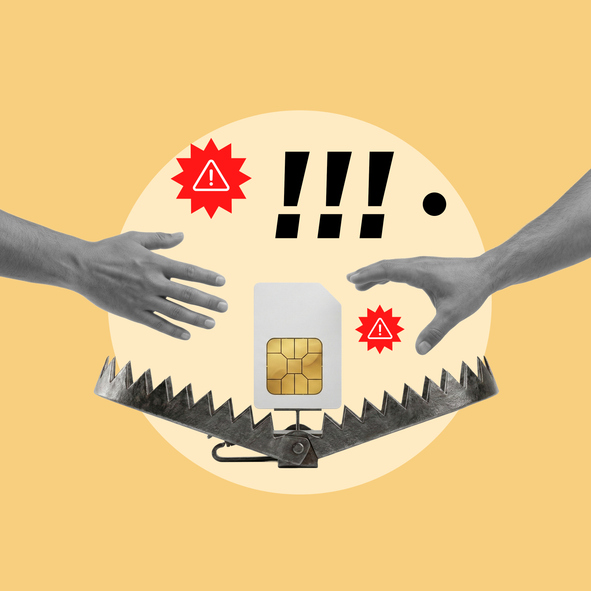
How can you reduce your risk of becoming a target?
Think before you share.
Protecting yourself starts with adopting good security habits such as limiting the amount of personal information you share publicly, using strong, unique passwords for your accounts and never sharing your PINs, passwords, OTPs or verification codes with anyone.
Fraudsters often create a false sense of urgency to pressure victims into acting quickly without thinking. If someone insists that immediate action is required, pause and verify the request through official channels before providing any information.
It is also important to monitor your mobile and banking accounts regularly. If you notice any unusual activity or account changes contact your service provider or bank immediately using their official contact details.
What should you do if your phone suddenly loses network coverage?
Never assume and /or dismiss it as a temporary network issue.
If your phone unexpectedly loses signal or network connectivity and you cannot identify a clear reason, contact your mobile service provider immediately through an official customer service channel and confirm whether any changes, such as a SIM swap, have been made to your mobile number without your knowledge.
Protect your number. Protect your digital life.
Your mobile number is connected to far more than just calls and text messages. it is often used to verify your identity and secure access to your banking, email, social media and other online accounts.
By safeguarding your personal information and staying alert to the warning signs of SIM swap fraud, you can help protect not only your mobile service, but also the accounts linked to it.
Stay vigilant, think before you share, and remember that protecting your mobile number is an important step in protecting your identity.
Browse our latest stories to experience tech made easy.