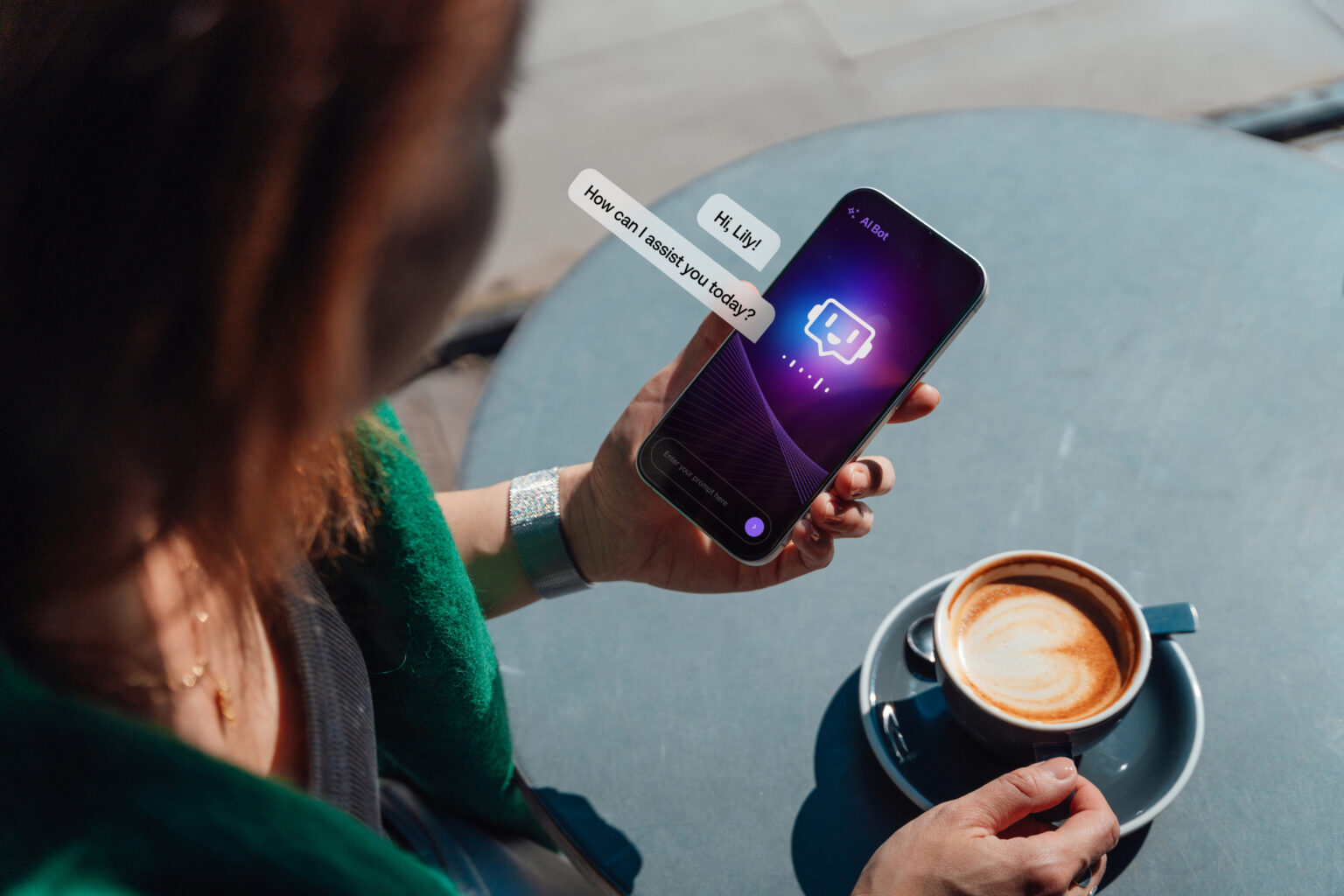
AI tokens are replacing mobile data as the new currency of connectivity. Discover why telecoms are shifting – and what it means for the future.
Over the years, telecoms companies have been driving two types of services: voice bundles and data bundles. But a new currency is emerging – one that does not flow in minutes or gigabytes, but in tokens.
With AI growing in popularity, AI tokens have become the new measuring stick for people exchanging information via their devices. The telecoms industry is beginning to pay close attention and is shifting towards this game-changer swiftly.
What Are AI Tokens – and How Are They Different from Mobile Data?
An AI token is the basic unit of data that an AI model reads, writes, and reasons over. Every prompt you type, every response an AI generates, and every autonomous task an AI agent completes consumes tokens.
Here is where it differs from mobile data. Mobile data is measured by volume – how much content you download or stream. Tokens, by contrast, measure intelligence. You are not paying for how much data moves across a network; you are paying for how much thinking an AI model does on your behalf.
This distinction matters because the volume is staggering. Global tech leaders now process quadrillions of tokens per month, and over half of that consumption comes from autonomous “agentic” systems – AI performing complex coding, research, or analysis tasks without human intervention. That is not a trickle of data. It is a flood of compute.
How the Telecoms Industry Is Already Shifting
The shift is not theoretical. It is happening now – and differently across regions.
China is the most advanced. Operators including China Telecom, China Mobile, and China Unicom have launched “AI token plans” that allocate monthly token quotas for AI model usage at a cost, effectively turning compute into a metered utility that mirrors traditional mobile data bundles.
North America is taking a different approach. Verizon is packaging generative AI tools like Google One AI Premium into consumer plans, turning AI capabilities into a premium add-on. AT&T is deploying generative AI across customer service, fraud detection, and network optimisation – shifting towards AI-enabled operations rather than direct token sales.
Latin America is focusing on enterprise productivity. Telefónica has expanded its GenAI workplace solution, GenIA, across multiple countries – offering AI-powered IT support and automation tools for corporate clients where productivity gains are the primary driver of digital transformation.
Why Telecoms Are Moving Away from Mobile Data
Telecoms are transitioning from “traffic pipes” to computing and software-service providers – and three factors are accelerating that shift.
1. Capitalising on the AI Boom
AI agents and applications are fuelling an explosion of uplink traffic on carrier networks. By packaging AI usage into standardised token bundles, telcos can directly monetise surging demand for intelligence.
2. Preventing Bill Shock
Just as consumers faced unpredictable data bills in the early days of 4G, enterprise AI deployment is suffering from unmanaged, soaring token costs. Telecoms companies are using their legacy billing and policy frameworks to meter, route, and control these costs predictably.
3. Leveraging Existing Infrastructure
Operators already possess the physical network footprint, regulatory trust, and edge real estate to build secure, in-country AI infrastructure. That positions them uniquely to offer tokenised AI access as a local, trusted service – something cloud providers cannot easily replicate.
The Bottom Line
The AI token economy is not a future concept – it is a present reality reshaping how telecoms think about value, billing, and infrastructure. The question is no longer whether tokens will become the new currency of connectivity. It is about how telecoms strategise around their token products, and who moves first in this fresh market opportunity.
Browse our latest stories to experience tech made easy.