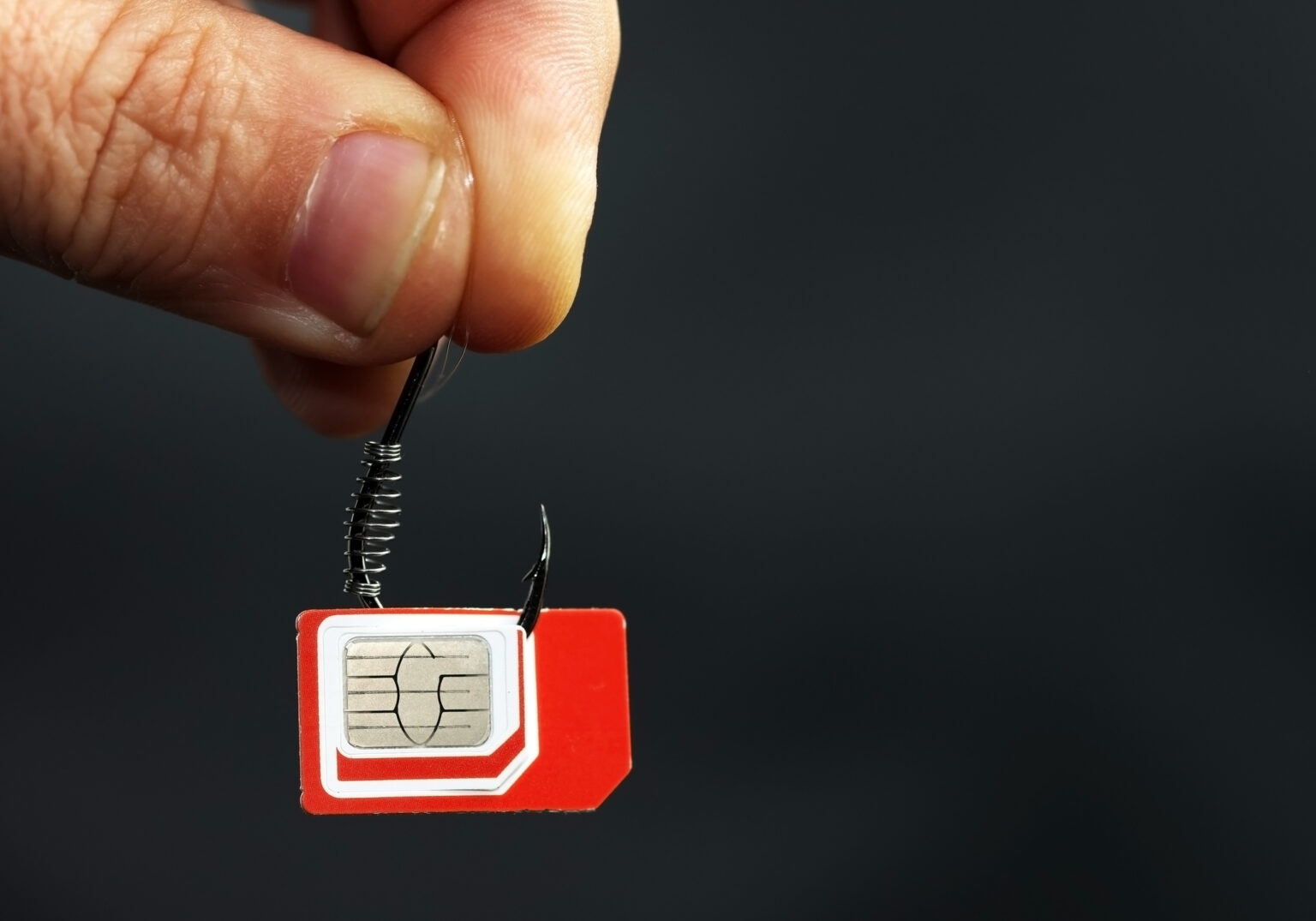
Your phone number is connected to more than just calls and messages. It can be linked to your banking, social media, email and other accounts, which is why fraudsters may try to take control of it through a SIM swap scam.
Knowing what to look out for can help you spot suspicious activity early and take action before things go further.
What is a SIM swap scam?
A SIM swap is a legitimate process that allows you to move your existing cellphone number to a new SIM card, for example if your SIM is lost, stolen or damaged.
A fraudulent SIM swap happens when someone tries to convince a mobile network that they are you and requests a replacement SIM for your number. Once the swap is completed, the fraudster may be able to receive calls and SMSes intended for you, including certain verification codes and one-time PINs.
Fraudsters may first try to obtain personal information through tactics such as phishing or social engineering. This information can then be used to impersonate you. Learn more about SIM swap fraud.
Watch out for these warning signs
One of the biggest clues is an SMS telling you that a SIM swap has been requested when you didn’t request one.
Don’t ignore it or assume it’s just another message. Vodacom advises customers to contact customer care immediately if they receive a SIM-swap notification they did not initiate.
Another warning sign is suddenly losing mobile connectivity. If your phone unexpectedly stops making or receiving calls or SMSes, don’t automatically assume it’s a temporary network or handset problem. A sudden loss of connectivity could be a sign that a SIM swap has taken place.
You should also pay attention to unexpected login notifications. If you’re suddenly logged out of an account or receive an alert about a login or password change that you don’t recognise, treat it seriously – particularly if it happens around the same time as you lose cellphone connectivity.
And be cautious if someone contacts you claiming to be from Vodacom and tells you to ignore a SIM-swap notification. That’s a red flag. Contact Vodacom directly using an official customer-care channel instead.
What should you do if you suspect a fraudulent SIM swap?
Act quickly. If you receive an unexpected SIM-swap notification or suspect your number has been compromised, contact Vodacom immediately on 082 135. Vodacom’s current guidance says customers can use this number to report suspected fraudulent SIM swaps and request urgent assistance.
Don’t give anyone your passwords, banking details, PINs or one-time PINs, even if they claim to be helping you. Vodacom agents will never ask you for an OTP.
It’s also worth contacting your bank if you suspect your number has been compromised, particularly if you notice unusual account activity.
A little vigilance goes a long way
SIM swap scams can sound complicated, but protecting yourself often starts with something simple: pay attention when something doesn’t look right.
An unexpected SIM-swap message, unexplained loss of connectivity or unfamiliar account notification shouldn’t be brushed aside. When in doubt, contact Vodacom directly rather than responding to an unsolicited message or caller.
Staying alert won’t stop every scam, but it can help you spot suspicious activity sooner – and when it comes to fraud, acting quickly matters.
Browse our latest stories to experience tech made easy.