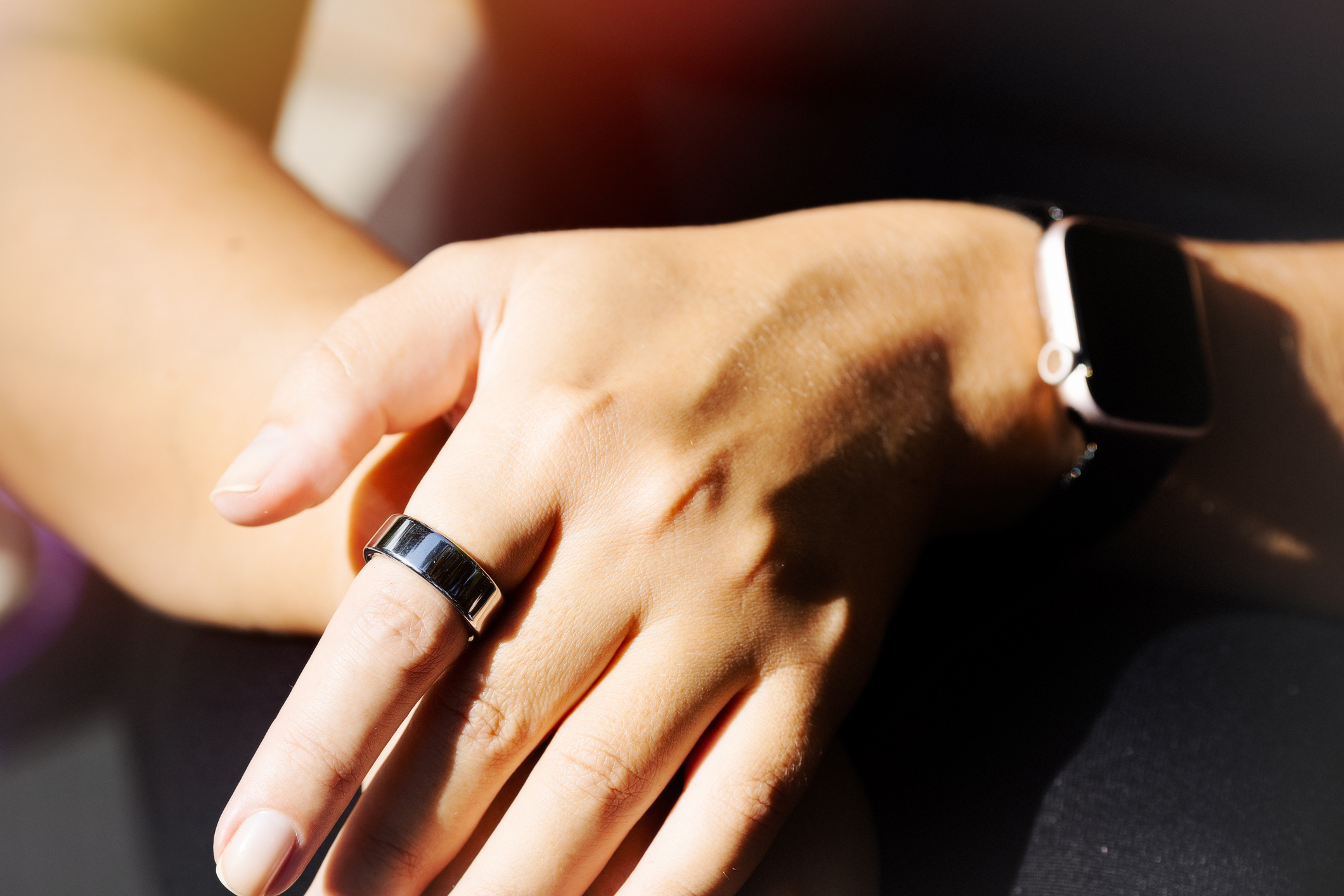
Smartwatches or smart rings? Both track your health – but one dominates workouts while the other owns recovery.
Fitness has gone digital. From step-counting to sleep scoring, technology now sits at the centre of how we train, recover, and monitor our wellbeing. The global wearable tech market has exploded in recent years, driven by a cultural shift toward proactive health management: people don’t just want to exercise, they want to measure input against performance, and optimise everything to be fitter, stronger and healthier.
But a new rivalry is dividing the wearable landscape. For years, the smartwatch was the top wearable item. Now, a smaller, quieter contender has entered the ring – literally. Smart rings are challenging the wrist-worn heavyweight for a place on your body, and the choice between the two is anything but straightforward.
Design and Form Factor
Smartwatches are larger wrist-worn computers with full-colour touchscreens, packed with sensors and interactive features. You can literally monitor and measure everything on the watch’s screen, with smartphone apps simply providing a platform to properly analyse your performance.
Smart rings on the other hand are minimalist, screenless and designed to look like standard jewellery. There is no way of knowing what the smart ring is monitoring without actually accessing a partnering smart app which it sends the information to. While this looks bad for the ring, it is anything but that though.
Health and Sleep Tracking
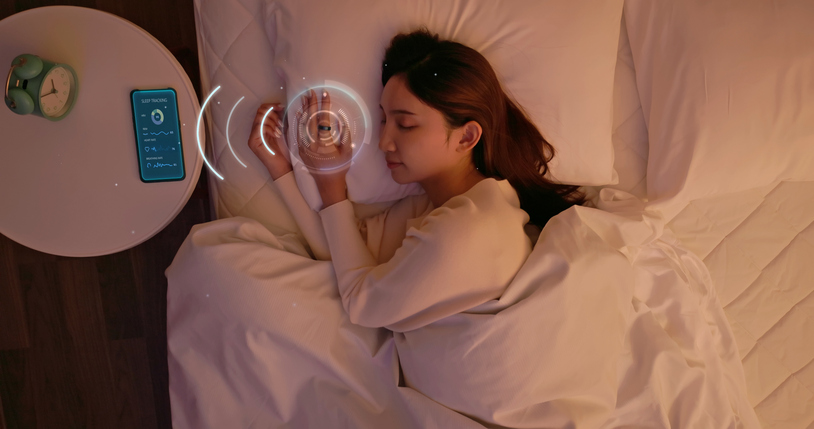
This is where smart rings punch above their weight. The finger provides steadier blood flow than the wrist, allowing smart rings to deliver precise resting heart rate, heart rate variability (HRV), and overnight recovery metrics. They excel at passive, round-the-clock tracking without feeling intrusive.
Smartwatches track the same metrics, but their bulk can make overnight wear uncomfortable. Many users remove them before bed – which means missing the very data that matters most for recovery analysis.
Fitness and Workouts
Smartwatches dominate active performance tracking. Built-in GPS, real-time pace metrics, and dynamic workout modes make them indispensable for runners, cyclists, and gym-goers who want immediate feedback during training.
Smart rings, by contrast, lack GPS and real-time activity feedback. They monitor in the background rather than coaching in the moment, which suits lifestyle tracking but falls short for serious training.

Battery Life
Smart rings typically last five to eight days on a single charge, minimising disruption to your routine. Mainstream smartwatches usually require daily charging – another reason many end up on the bedside table rather than on a wrist overnight.
Notifications and Connectivity
Smartwatches function as wrist-based extensions of your phone, handling calls, messages, app alerts, and music controls. Smart rings have no display and no interactive communication features. If staying connected on the go matters to you, the smartwatch is the clear winner.
Which One Suits You?
Choose a smartwatch if you want real-time notifications, phone call capabilities, active workout coaching, and independent GPS mapping during runs.
Choose a smart ring if you prioritise deep sleep and recovery analysis, want a distraction-free design for comfortable 24/7 wear, and hate the daily charging routine.
The reality? For some, the answer isn’t either-or – it’s both. A smartwatch for the workout, a smart ring for the recovery. The rivalry may be real, but the best choice depends entirely on what your body needs you to measure.
Whether you want real-time workout coaching on your wrist or discreet round-the-clock recovery tracking on your finger, the right wearable starts with the right provider. Browse the Vodacom online shop for the latest smartwatches and smart rings from leading brands, and find the perfect device to match your fitness goals and lifestyle.
Browse our latest stories to experience tech made easy.