
Picture this: You’ve just arrived at the office and are settling in with your first sip of morning coffee when a notification appears on your phone. It’s a voice note from a loved one. They sound anxious and under pressure, explaining that they’re in urgent need of help and asking you to transfer some money immediately.
This is a major challenge facing individuals in 2026. With AI-powered deepfakes, scammers convincingly impersonate people, turning familiar faces, voices, or texts into a tool for fraud.
As gen AI evolves, criminals are using increasingly sophisticated tactics. To stay safe, you must adapt how you protect your mobile devices and digital identities to remain safe against being a victim of online fraud.
Understanding the threat: What is a deepfake?
At the center of many modern cyber threats is deepfakes: highly realistic images, videos or audio recordings generated using artificial intelligence (AI) and deep learning technology. These tools can analyse publicly available photos, videos and voice recordings to create convincing content that appears to show real people saying or doing things they never actually said or did.
In South Africa and throughout the world, fraudsters are increasingly leveraging deepfake technology to conduct targeted scams, impersonating trusted individuals to manipulate victims into sharing sensitive information or making fraudulent payments.
- AI voice cloning: Using a technique known as vishing (voice phishing), scammers can use just a few seconds of audio obtained from social media or other sources to mimic the voice of someone you know. They then contact you with a fabricated financial emergency, pressuring you to send money or share sensitive information.
- SIM swap fraud: Fraudsters may use cloned voices or fabricated videos to impersonate you when interacting with service providers, or impersonate trusted individuals to obtain personal information that helps facilitate a SIM swap. Once they gain control of your number, they can bypass security checks and take over your accounts.
- WhatsApp phishing and bad bots: Scammers are increasingly using sophisticated AI-powered bots to impersonate legitimate customer service representatives on WhatsApp and other messaging platforms to distribute phishing links via text messages and WhatsApp, luring users to fraudulent websites designed to steal credentials, banking details or personal information.
Basic ways to protect against online fraud
Because generative AI is so sophisticated, relying on intuition alone isn’t enough. You also need to build strong verification habits:
- Choose a family code word
Create a unique, memorable word or phrase with your loved ones. If you receive a call or message requesting money, ask for the code word to instantly verify their identity.
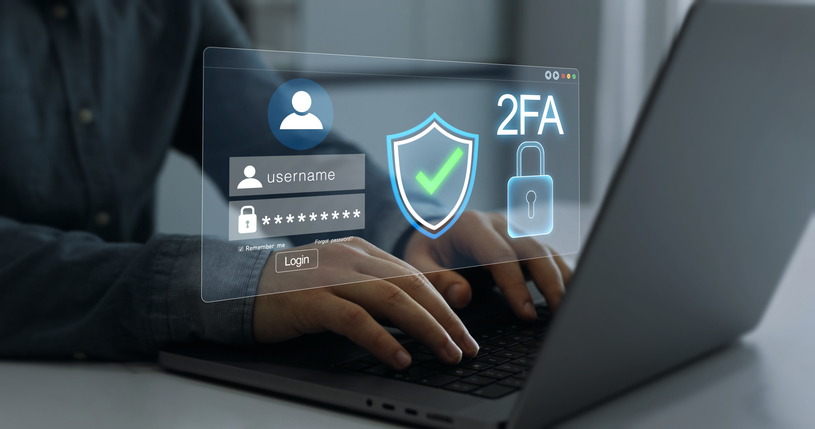
- Turn on multi-factor authentication (MFA)
Use two-factor or multi-factor authentication on your banking, email, and social media accounts. Even if a fraudster obtains your password, MFA provides an additional layer of security that helps prevent unauthorised access to your accounts.
- Protect your sensitive information
Scammers can use AI and deepfake technology to imitate people and organisations you trust. However, one rule never changes: your bank, Vodacom, and other legitimate service providers will never ask you to disclose your password, PIN or OTP. If you receive such a request, hang up and verify the request through an official channel or verified number.
- Spread the word in your circle
Protect your family and friends from online fraud by educating them about online scams and AI-generated deepfakes. Encourage them to verify unexpected requests through trusted channels before responding. Elderly family members and children may be particularly vulnerable, as they may be less familiar with emerging fraud tactics and therefore more susceptible to deception.
Does Vodacom have tools to enhance mobile security?
Strong digital habits are essential for staying safe online, but Vodacom’s secure digital platforms provide an additional layer of protection. By using official channels such as the VodaPay app and TOBi, you can manage your account, purchase bundles, check balances and perform account-related transactions with greater confidence, reducing the risk of falling victim to phishing sites and other online scams.
By staying informed, remaining cautious of AI-generated deepfakes and taking a moment to verify identities before responding, you can better protect your devices, personal information and finances from online fraud.
If you receive, encounter or become aware of a suspected scam, report it immediately through Vodacom’s online reporting portal. If you suspect fraud, identity theft or identity impersonation, report it to FraudDisputes@vodacom.co.za
Browse our latest stories to experience tech made easy.