Let’s be honest cybersecurity can feel like one of those things you know is important, but rarely think about until something goes wrong. You notice a log in to your email from a new device that wasn’t you, R99 debits off your bank account or your WhatsApp account has been cloned. The truth is, you don’t need to be a tech expert to protect yourself online. A few simple habits can go a long way in keeping your personal information, devices, and accounts safe.
Here are five easy cybersecurity habits everyone should start practicing today:
1. Use Strong (and Different) Passwords
If you’re still using the same password across multiple accounts, it’s time for an upgrade. Think of passwords as the keys to your digital life, if one gets stolen, everything becomes vulnerable. Create strong passwords using a mix of letters, numbers, and symbols, and avoid obvious choices like birthdays or names. Better yet, use a password manager to keep track of them securely. Check out this story for a game-changing hack to creating complex but easily memorable passwords.
You can create a keyboard pattern as a password – it doesn’t have to mean or read anything but you can key-in a co-ordinated sequence of numbers and letters for example 1z2x3c4v and so on. Try typing this on a QWERTY keyboard, you’ll notice the sequence follows adjacent keys, which makes it easier to remember.
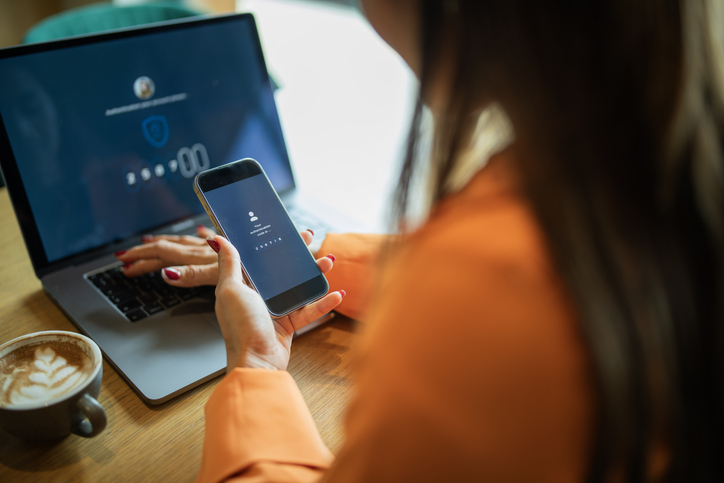
2. Turn On Two-Factor Authentication (2FA)
Two-factor authentication adds an extra layer of security by requiring a second form of verification, beyond just entering a password.
There are different types of 2FA:
- Some platforms may ask you to approve the log in by tapping “Yes” or “Approve” in an app on a trusted device
- Others require a one-time code from sent via email, or SMS
- And others need facial or fingerprint biometrics to verify
So even if someone gets your password, they won’t easily access your account. They will also need to verify before accessing whichever platform they are trying to log in to.
Enable 2FA on your email, social media, banking apps, and any platform that offers it.
3. Think Before You Click
Seriously, especially if you are receiving an email or SMS from a new contact. Phishing scams are everywhere – emails, SMSes, even social media DMs. They often look legit, but their goal is to trick you into sharing personal information or clicking harmful links. If something feels off (for instance if there is an urgent tone, strange sender, unexpected attachment), pause. Don’t click.
4. Keep Your Devices Updated
Those software update notifications you keep postponing? They’re more important than they seem. Updates often include security patches that fix vulnerabilities hackers can exploit. Whether it’s your smartphone, laptop, or apps, keeping everything up to date is one of the simplest ways to stay protected.
5. Be Smart on Public Wi-Fi
Free Wi-Fi at cafés or malls is convenient, but it’s not always secure. Avoid logging into sensitive accounts (like banking or email) on public networks. If you must use it, consider using a VPN (Virtual Private Network) to encrypt your connection and protect your data from prying eyes.
Cybersecurity doesn’t have to be complicated. By building these small habits into your daily routine, you reduce your risk of falling victim to cyberattacks whether it’s through email, social media, or your mobile device. Stay aware, stay updated, and stay safe online.
Browse our latest stories to experience tech made easy.