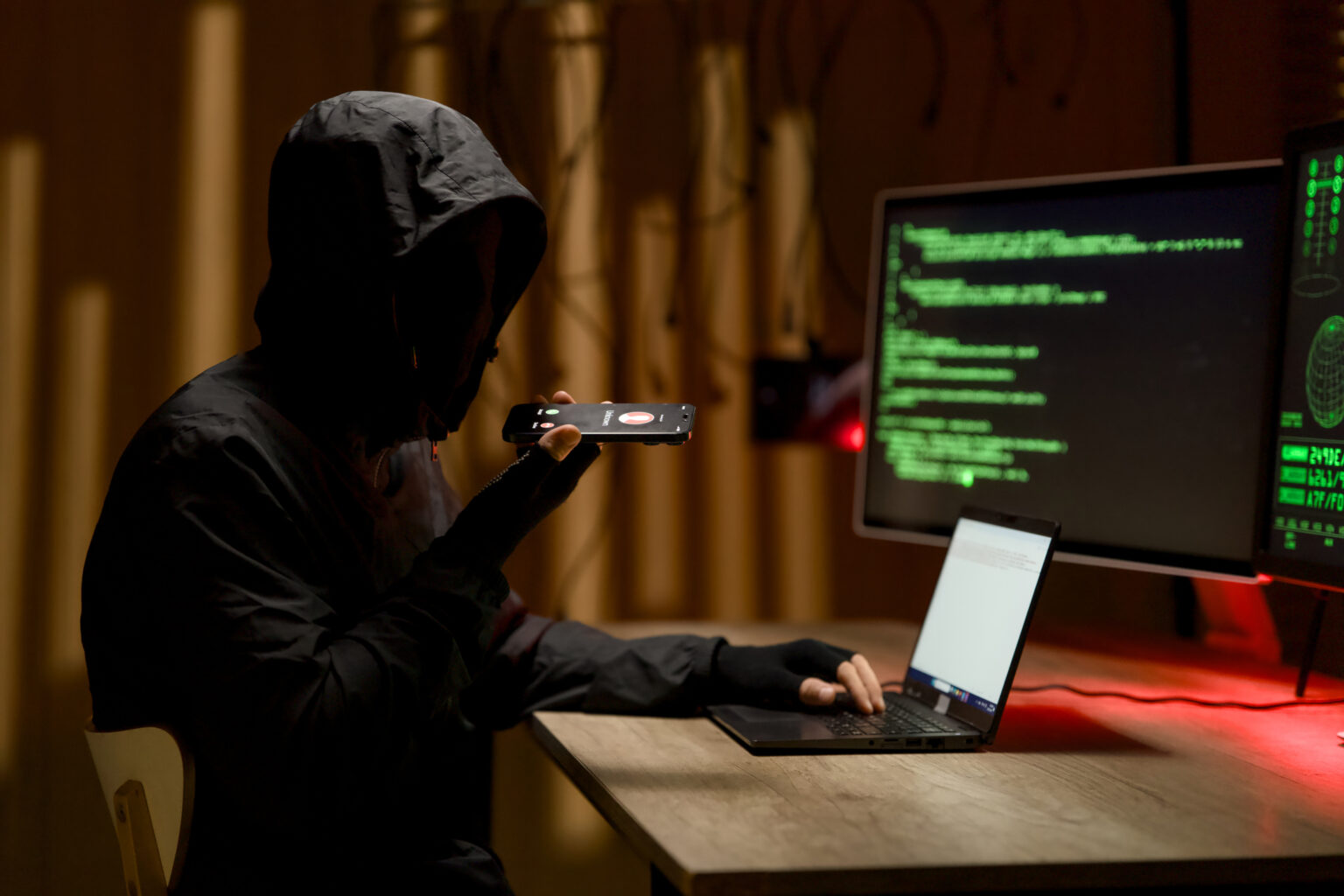
Learn how vishing scams work, how AI voice cloning is changing fraud, and how to protect yourself.
Imagine getting a phone call from your boss urgently asking you to process a R250 000 payment before the end of the day. The voice sounds exactly like them – same tone, same accent, same urgency. Wanting to help, you transfer the money immediately.
Only later do you discover it was a scam, that call from your boss – it was actually not your boss speaking. This is the reality for a UK-based energy firm that was defrauded of $243 000 as a result of vishing in 2019.
What is vishing?
Vishing is short for “voice phishing”. It’s a form of fraud where criminals use phone calls or voice messages to manipulate people into sharing confidential information, making payments, or giving access to accounts.
Unlike traditional phishing emails, vishing relies on human conversation and emotional pressure. Scammers often pretend to be:
- Banks
- Insurance companies
- Delivery services
- Government departments
- IT support teams
- Family members or colleagues
Their goal is usually to create panic, urgency, or trust so that you act before thinking carefully.
How AI is making vishing more dangerous
Before the age of AI, vishing would be done via a normal phone call – a stranger calling you and pretending to be calling from your bank or network provider to get your financial or sensitive personal information to scam you. At that time, there were at least signs that the call is a scam – either the caller doesn’t sound sure of their story or they used an obvious script.
However, with AI now being so easily accessible, scammers are using voice cloning technology to impersonate real people and trick victims into handing over money or sensitive information.
AI voice cloning tools can now copy someone’s voice using just a few seconds of audio taken from social media videos, voice notes, interviews, or online content. Fraudsters can then generate realistic voice calls that sound shockingly convincing. This makes vishing attacks all the more difficult to detect.
Examples of vishing include:
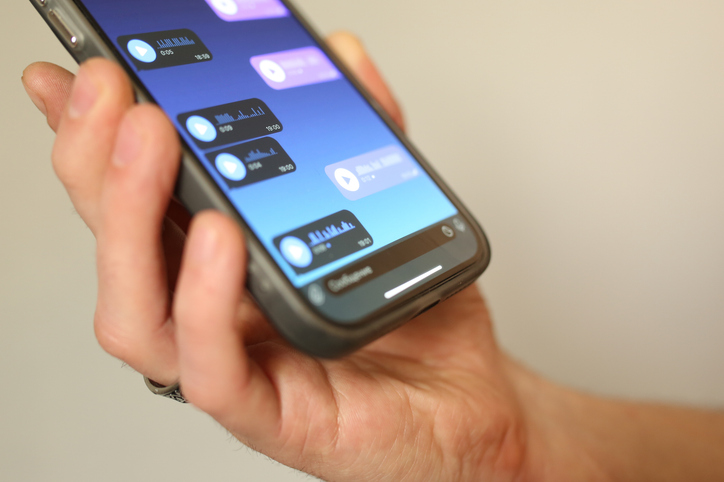
- A voice note from “your child” asking for urgent money
- A call from “your bank” warning about suspicious transactions
- A message from “your manager” requesting immediate payment approval
Common warning signs of vishing
While voice cloning is difficult to detect, even sophisticated scams usually have red flags. Be cautious if:
- The caller pressures you to act immediately
- You’re asked to share passwords, PINs, or OTPs
- The caller requests payment via unusual methods
- The conversation creates panic or fear
- The number appears unfamiliar or hidden
- The caller discourages you from verifying their identity
Listen to this insightful Tech Talk with Vodacom episode on AI fraud. Learn how to protect yourself.
How to protect yourself from vishing attacks
The good news is that a few simple habits can dramatically reduce your risk if you:
- Verify independently: If someone claims to be from your bank, workplace, or even your family, end the call and contact them directly using a trusted number.
- Be cautious with urgent requests: Pause before responding to any urgent financial request.
- Protect personal information online: The more audio and personal information you share publicly, the easier it becomes for scammers to imitate you.
- Use security features: Enable two-factor authentication on important accounts and banking apps wherever possible.
- Talk to your family: Make sure parents, grandparents, and younger family members understand how these scams work. Perhaps have an inside code-word amongst yourselves as a way to verify
The best defence is staying informed, slowing down before reacting, and verifying requests carefully – even when a voice sounds familiar. If something feels suspicious, trust your instincts. A quick verification call could save you from becoming the next victim of AI-powered fraud.
Browse our latest stories to experience tech made easy.